
The Business Empire of Hajee Sir Ismail Sait
From a small trading shop to a nationwide industrial network—HSIS built an empire powered by vision, courage, and extraordinary business instinct.
- Home
- The Business Empire
A Pioneer Who Saw Opportunity Where Others Saw Risk
HSIS began life as a newspaper delivery boy and hawker. With no formal education, he relied purely on observation, instinct, and relentless grit.
The PDF panel describes his business mind as possessing “remarkable foresight” and the “rare ability to identify opportunities and execute them with precision.”
Within two decades, he transformed into one of the most influential industrialists of southern India—with interests spanning retail, timber, mining, transport, manufacturing, and finance.
WHY HIS BUSINESS EMPIRE MATTERED
Impact Felt Across Generations
His businesses:
-
Created employment across South India
-
Modernized supply chains
-
Introduced new products and technologies
-
Supported railway and mining expansion
-
Strengthened the economic fabric of Bangalore and KGF
Yet, despite his success, he reinvested the majority of his earnings into public welfare — which is why history remembers him not just as a businessman, but as a builder of society.
KEROSENE IMPORT & DISTRIBUTION
Introducing Kerosene to South India (1881+)
HSIS was responsible for bringing kerosene (a transformative energy source) to South India.
The HSIS Deck includes rare photographs of:
-
Bullock carts fitted with steel drums designed by HSIS
-
Early kerosene distribution depots across the state
This scale made him one of India’s earliest petroleum distributors.
He later sold this profitable business to Shaw Wallace around 1905–06.
Distribution Network
He established depots in:
-
Hubli
-
Gadag
-
Bombay
-
Assam
-
Across Kerala
South India’s First Hypermarket (Founded 1879)
At only 20 years old, he founded:
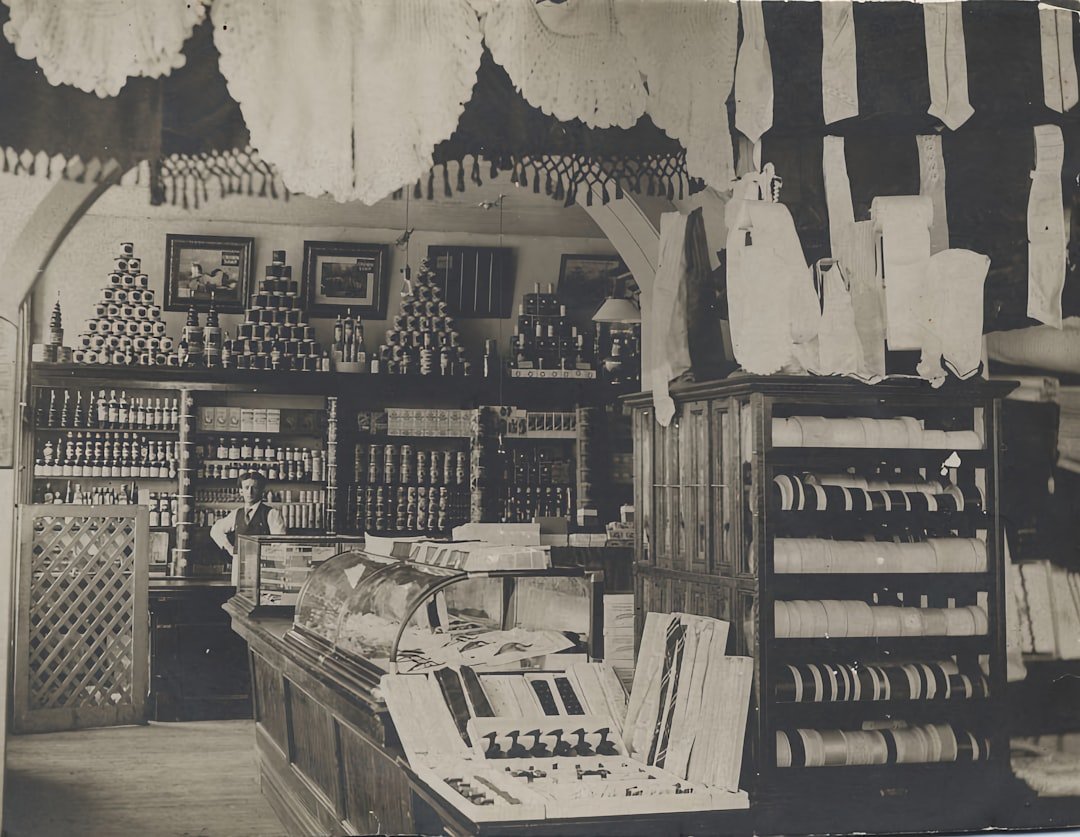
The English Warehouse — Champion Reefs, KGF
A revolutionary store offering everything under one roof:
-
safety pins
-
fine textiles
-
canned & tinned foods
-
cheese, chocolates, imported sweets
-
cosmetics & toiletries
-
toys & household goods
-
tools, hardware & machinery
Customers travelled from: Bangalore • Madras • Bangarpet • Carmichael Road • Kolar
The store was so successful that it expanded to: Bangalore (St. Mark’s Road) • Madras (Chennai) • Secunderabad • Hyderabad • Bombay (Mumbai) • Assam depots • Kerala outposts
It became the foundation of his commercial empire.
Mining Ventures: Gold & Iron Ore
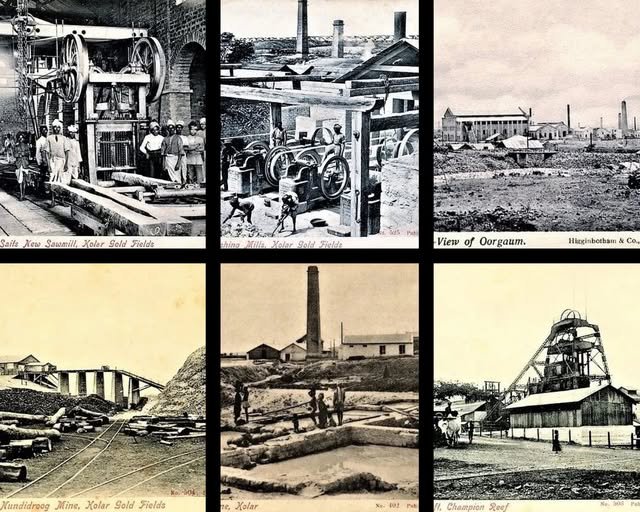
HSIS owned and operated mining ventures in:
Kolar Gold Fields (KGF)
He held claims and operational mines that contributed to gold extraction in the region.
The PDF panel shows how much KGF residents admired him, honouring him publicly for his contributions.
Iron Ore Mines — Shimoga
These mines supplied ore for industrial applications, including state-run industrial units.
Mining gave HSIS firsthand access to the British-era industrial value chain, allowing him to grow horizontally into timber, machinery, and supplies.
Industrial Manufacturing Footprint
HSIS owned or invested in several manufacturing plants, including:
-
Distillery (late 1800s)
-
Carbonic Acid Factory, Calcutta (1898)
Produced chemicals for the textile industry. -
Timber processing units
-
Logistics & warehousing infrastructure
These ventures diversified his income sources and expanded his industrial influence.
INNOVATION & ENTREPRENEURIAL INSTINCT
The Mindset Behind the Empire
HSIS succeeded because he:
-
Recognized opportunities others missed
-
Understood British and Indian consumer needs
-
Built vertically integrated supply chains
-
Reinvented logistics (steel drum bullock carts)
-
Combined retail, mining, and infrastructure into one ecosystem
The PDF panel describes him as a man with “comprehensive understanding of markets” and the ability to “convert opportunity into enduring success.”