Hajee Sir Ismail Sait & His Legacy in Kolar Gold Fields (KGF)
From a modest young trader to one of South India’s most influential merchant princes, Hajee Sir Ismail Sait left an enduring imprint on the goldfields of Kolar. Here in KGF, he blended vision, enterprise, and compassion-building businesses that powered industry and philanthropy that uplifted communities.
Where Vision Met Opportunity
In Kolar Gold Fields, Hajee Sir Ismail Sait found more than a bustling mining camp- he found a frontier of possibility. The rapidly growing town demanded supplies, services, and steady leadership to match its feverish pace.
HSIS recognised that miners, engineers, and their families needed reliable access to everything from daily provisions to industrial equipment. By reading the pulse of KGF, he built enterprises that served both the mine’s machinery and the people who depended on it.
What began as a response to immediate needs gradually evolved into a deep, lifelong relationship with the goldfields and their diverse community.
GARDEN PARTY ANECDOTE
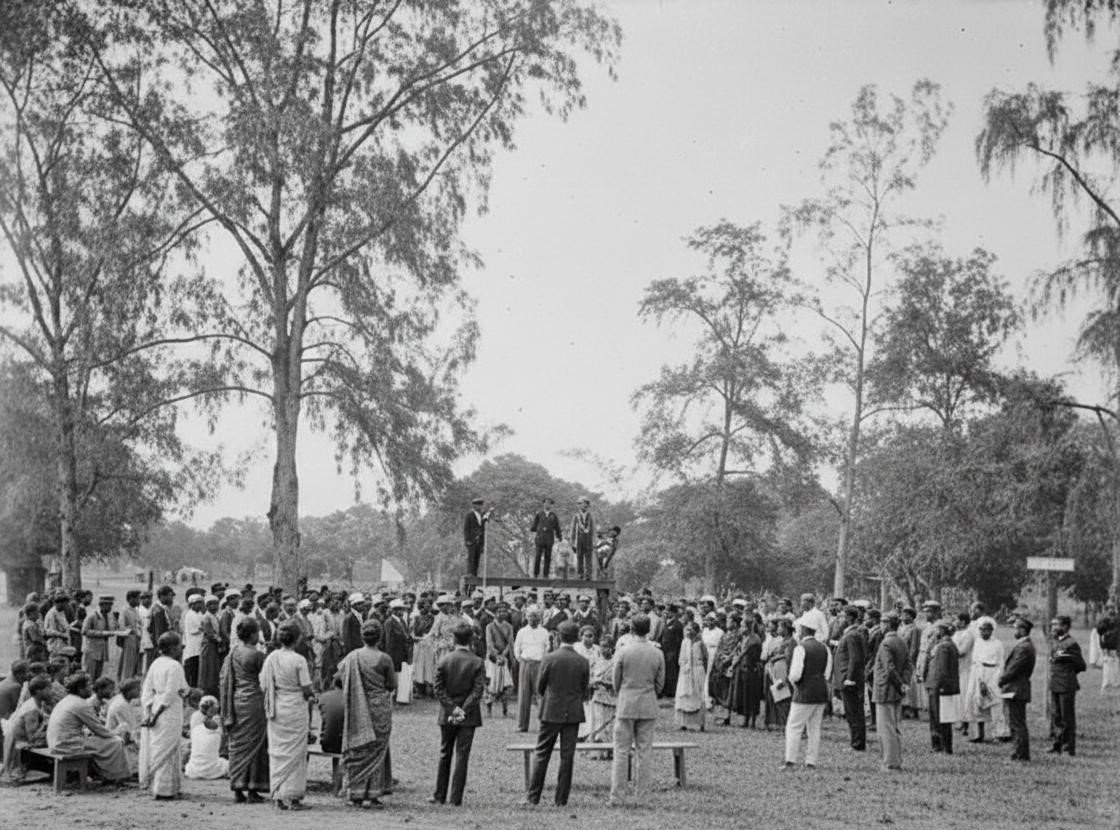
At a grand garden party held in his honour at KGF, British officials, Indian merchants, and local miners gathered side by side a rare scene in colonial India- to publicly recognise HSIS for his integrity, generosity, and unwavering support to the town
Kolar Gold Fields in the late 19th century was a rough yet vibrant frontier – a place where ore, steam, and human ambition converged. HSIS arrived here not as a speculator, but as a steady hand willing to build lasting institutions.
KGF, once known simply for its shafts and seams, became a proving ground for his business acumen and social conscience
The English Warehouse – KGF (1879)
This store catered to:
- European mine officials seeking imported provisions and household essentials.
- Indian miners and workers in need of daily staples at fair and reliable prices.
- Contractors and engineers sourcing specialised tools and industrial supplies.
A product range that ran from:
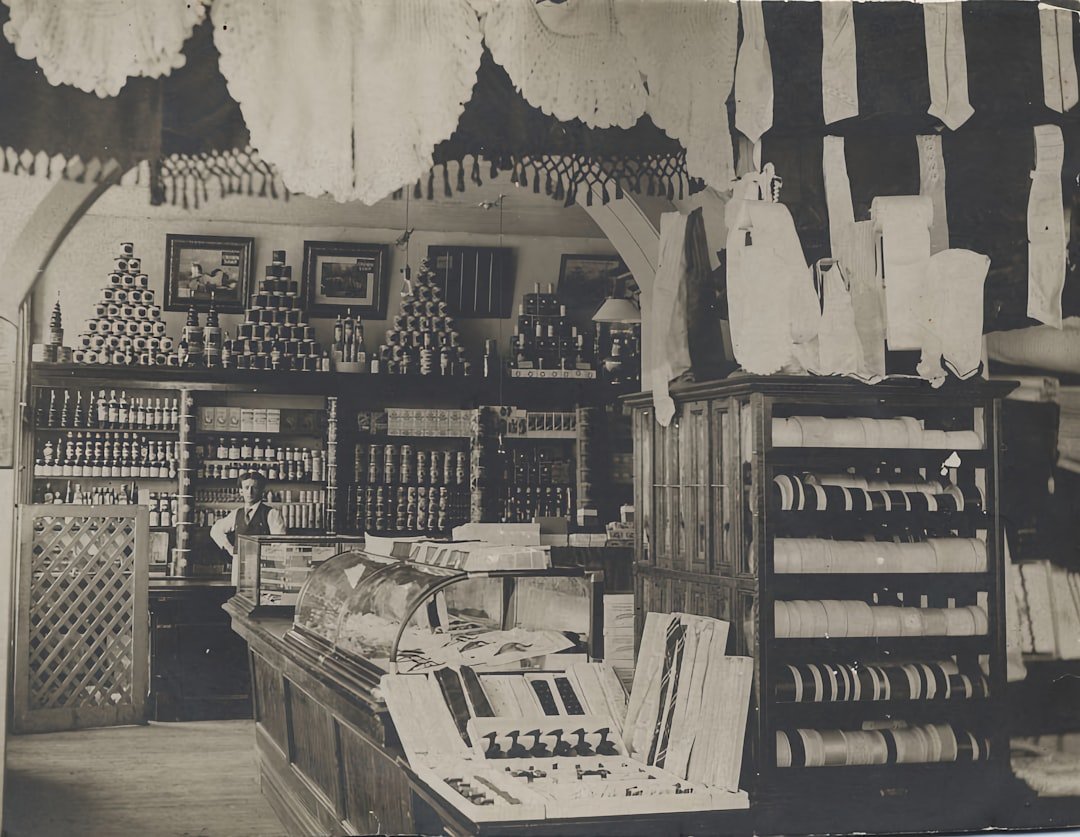
The English Warehouse – KGF (1879)
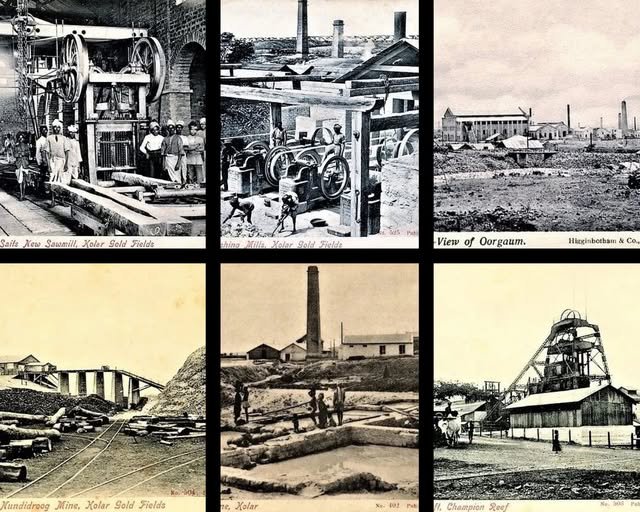
Beyond shop counters and ledgers, HSIS quietly powered the heavy industries that kept KGF running-from mines and mills to railways and fuel networks.
- Provided assential materials, provisions, and equiment that kept mine shafts, workshops, and worker camps functioning smoothly.
- Acted as a dependable commercial bridge between distant manufacturers and the romote yet vital mining outpost of KOF
At Champion Roofs, HSIS helped establish a sawmit that bocame central to KOF's expansion its whirring blades turned timber into the beams, sleepers, and supports that hold up both mines and homes It supplied:
- Timber for mine supports, shafts, and structural works across the goldfields.
- Wood for housing, publec buildings, and essential civic infrastructurs
- Specially cut sleepers and planks that supported railway and transport lines
From KOF outward, HSIS's smbor oporations grow to serve rail networks across the region. At their paak, they are remembered as having suppliet nearly 50% of South indit's railway sinepers a staggering contribution to the ora's transport infrastructure. Carefully sourced and seasoned simber from HSIS-linked operations helped trains run sately over thousands of kilometres
HSIS also helped bulld a lorosone distribution network that brought light to romote corners of KP and beyond. Before clectricity was common, these drums of fust meant longer working hours, sater streets, and brighter homes for minors and their tamiles
Building a Community Beyond Commerce
KGF was not merely a market to HSIS; it was a living community whose well-being he felt responsible for, long after the day’s trade was done
Hospitals & Healthcare
- Supported hospital facilities that served both mine workers and local residents.
- Contributed towards medical equipment and supplies during times of strain.
- Backed initiatives that brought qualified doctors and caregivers to the region
Education & Welfare
- Assisted in founding and supporting schools that welcomed children from varied backgrounds.
- Encouraged reading rooms and social spaces where workers could gather, learn, and organise.
- Helped create rest houses and shelters for travellers, traders, and those in transit through KGF
Support During Hard Times
During the severe famine of 1895, HSIS is remembered for stepping forward with quiet but decisive generosity – organising food, funds, and relief for those struck hardest in and around KGF. His interventions helped many families survive a period when wages, crops, and certainty all seemed to vanish at once
A Leader Loved by the People
Speeches praised his fairness in business, his readiness to extend credit in difficult seasons, and his unwavering commitment to the welfare of workers and their families. For a man who never sought titles for their own sake, this outpouring of affection from across social divides was its own highest honour.
“In an age of sharp divisions, HSIS earned rare recognition from British officers, Indian miners, and local residents alike a testament to trust built over decades.”